Tag: visual clutter

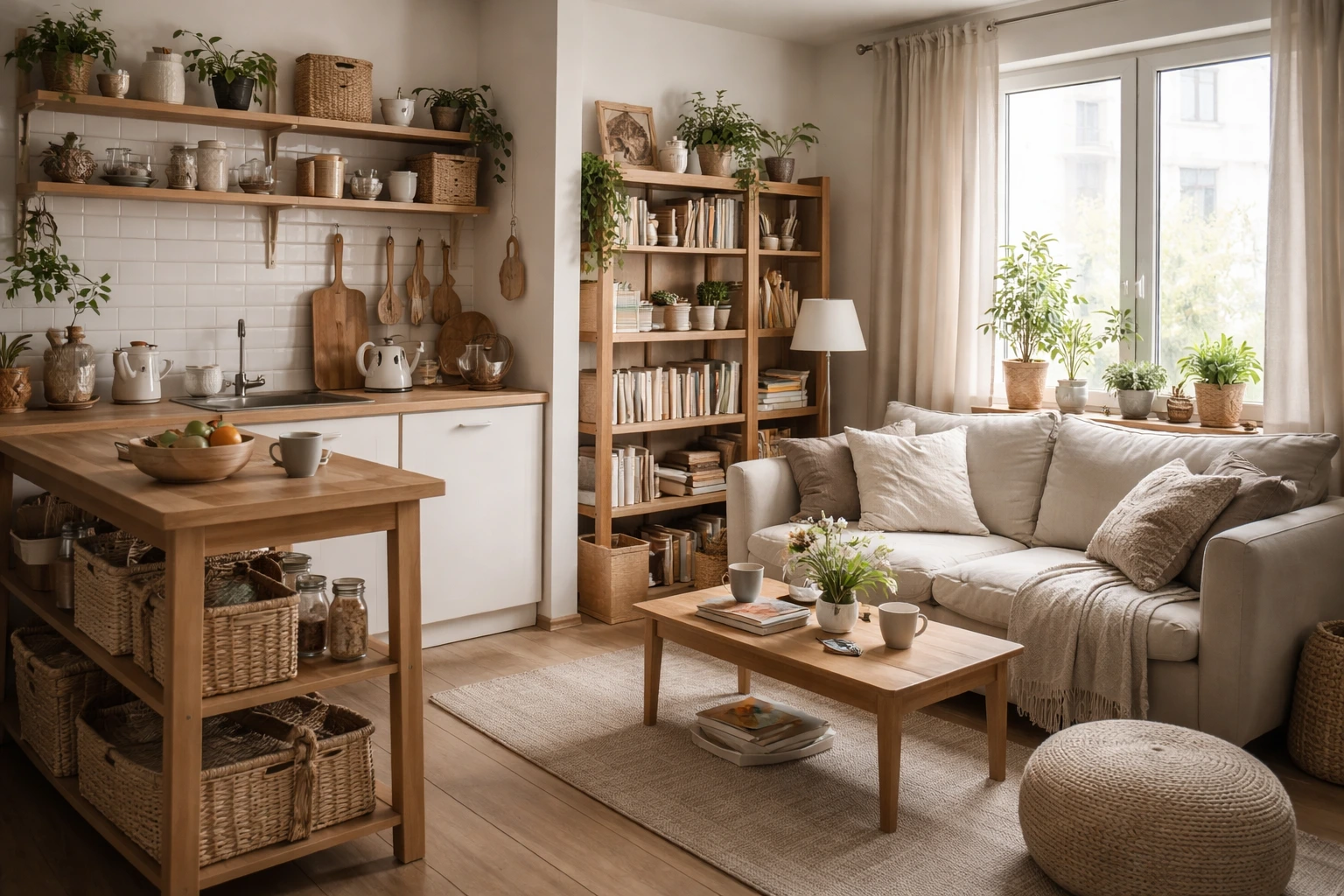
Why Small Homes Rarely Feel “Finished” (Even When Nothing Is Out of Place)
A small home can look clean and still feel unsettled. This piece explores why some spaces rarely feel “finished,” even when nothing is out of place.
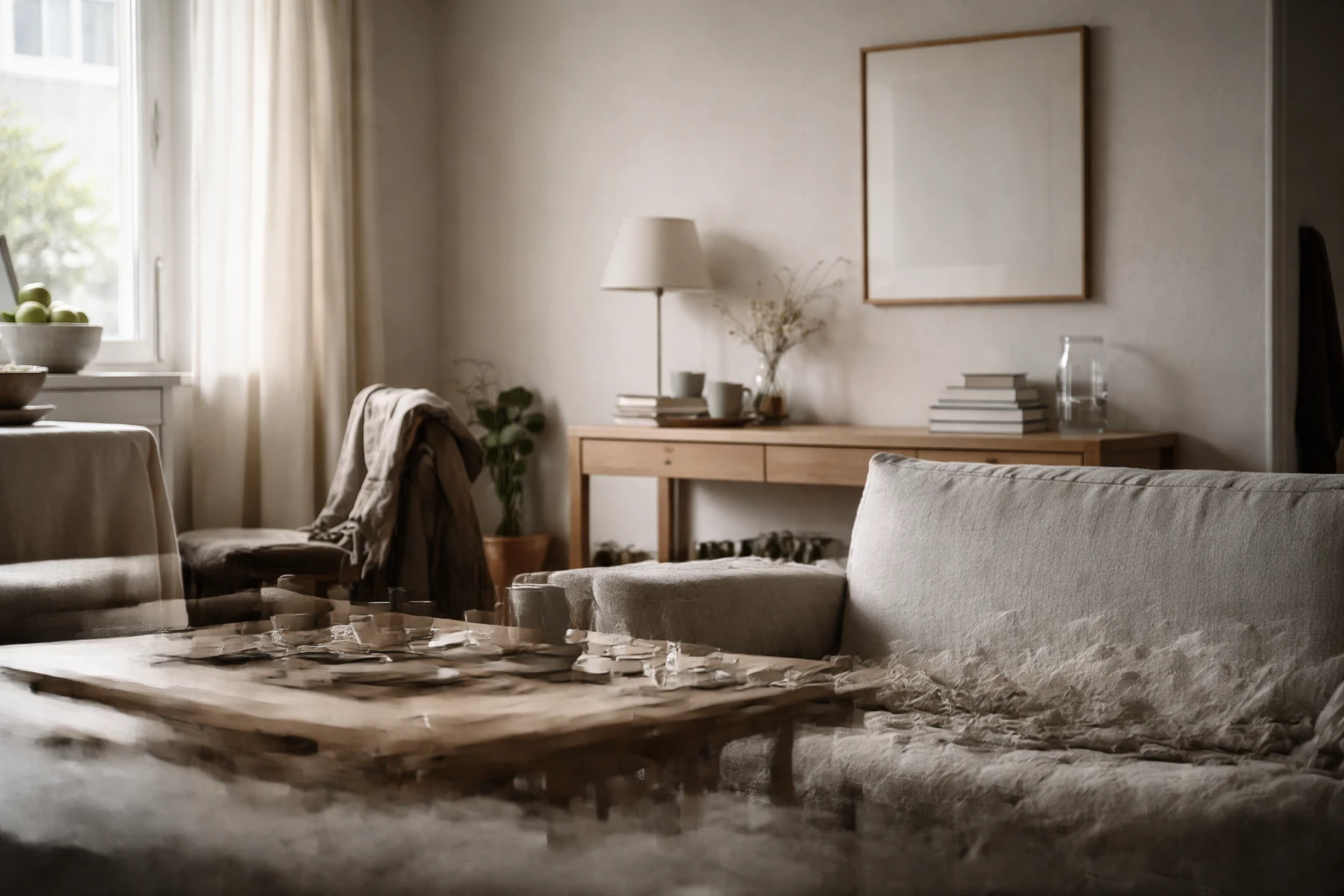
Why Some Homes Never Feel Finished (Even When They’re Clean)
A home can be clean and still feel unsettled. This article explores why “finished” is a feeling shaped by visual friction, attention, and how spaces behave in everyday life.
Interior Decorating Rules (That Sound Right but Often Don’t Hold Up in Real Homes)
Interior decorating rules often feel reassuring, but real homes rarely stay still. A quiet look at why rules that sound right can fall apart once a space is actually lived in.
Recycling Old Clothes Into Thoughtful Home Decor
What happens to clothes you stop wearing? This article explores how old garments can quietly become part of the home—without DIY projects, clutter, or buying new “eco” decor.
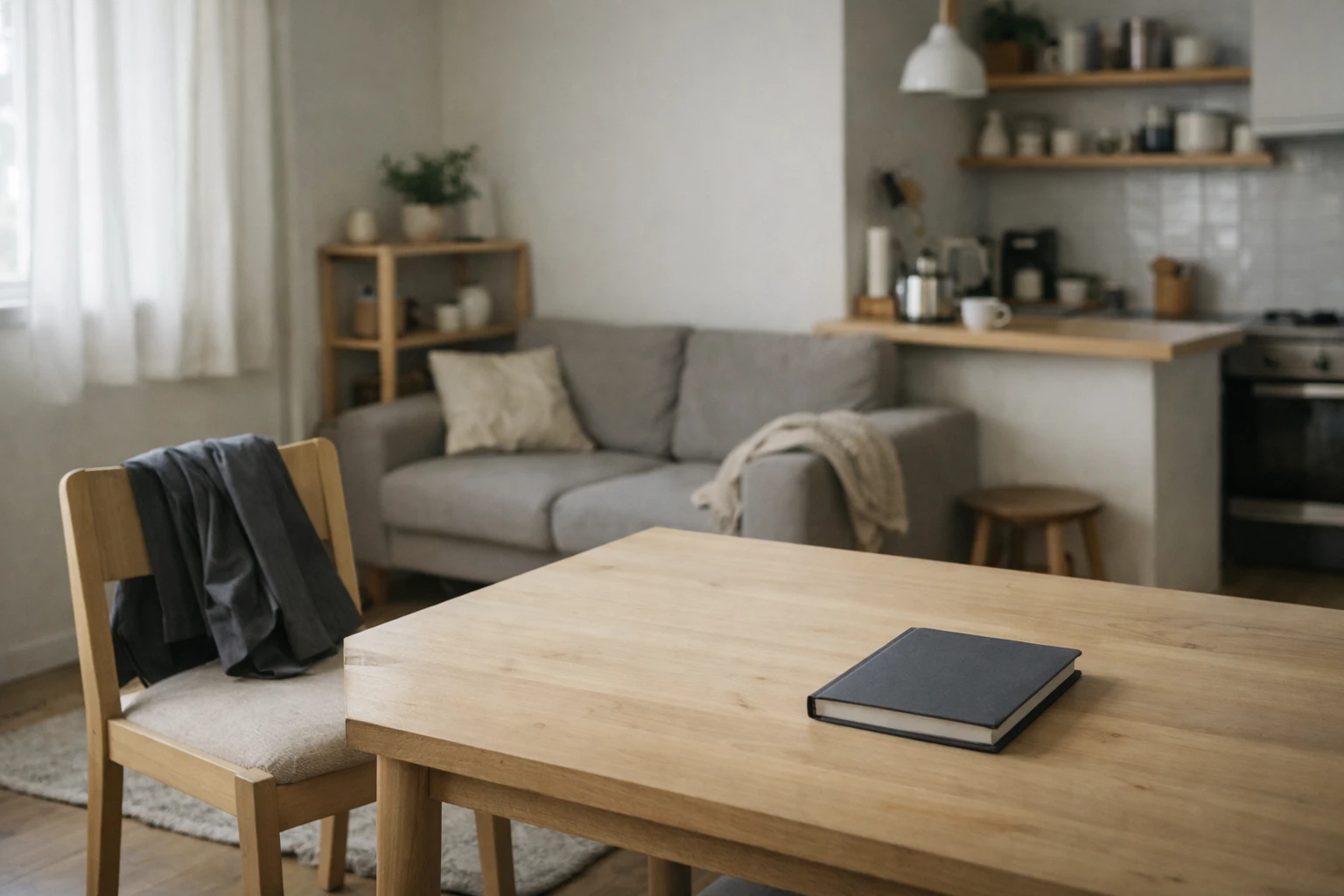
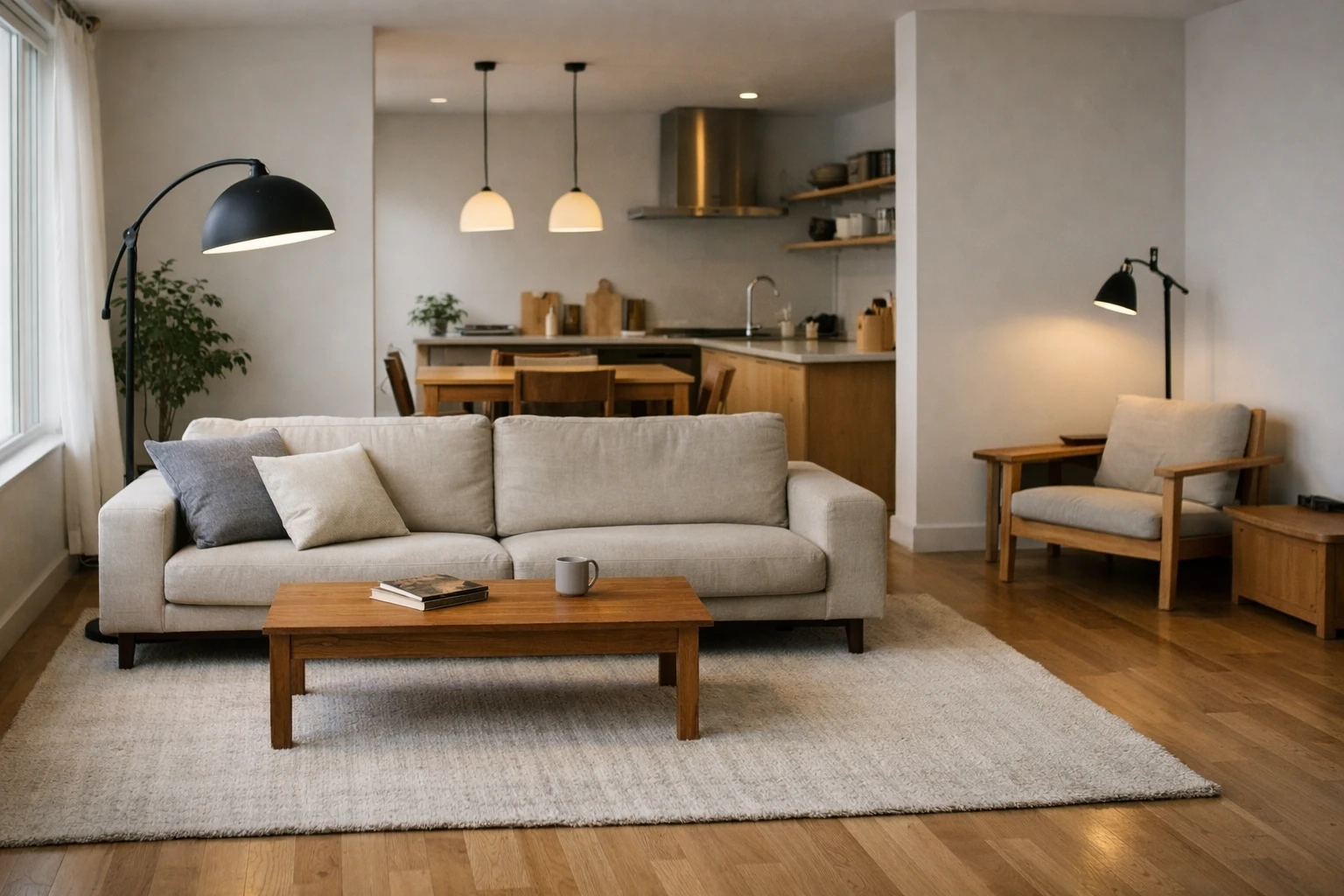
Visual Clutter: How to Reduce It Without Hiding Everything
Visual clutter isn’t about mess—it’s about how too many visible elements compete for attention. This guide breaks down why clutter happens in small spaces, how storage choices amplify it, and how to reduce visual noise without buying more furniture.
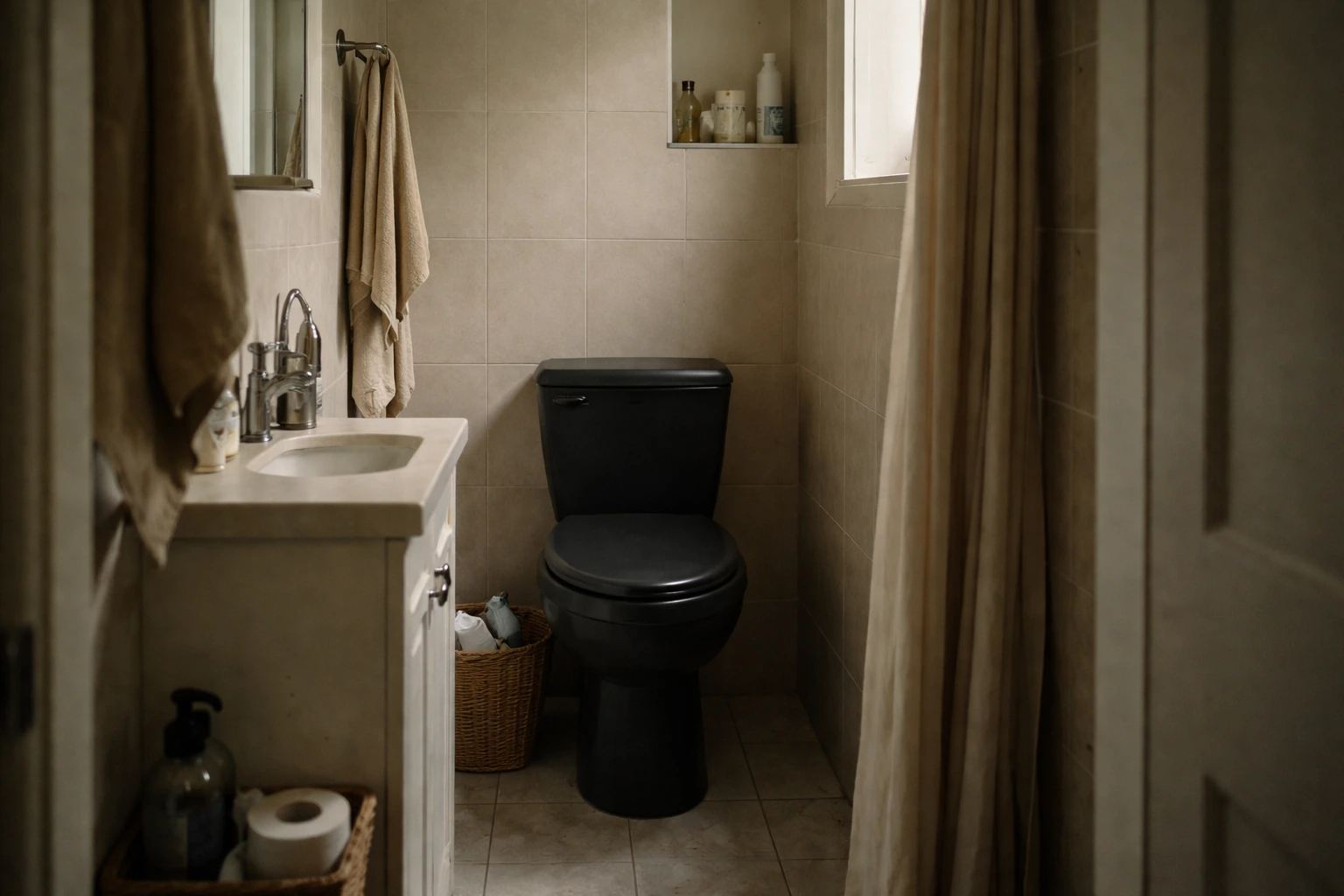
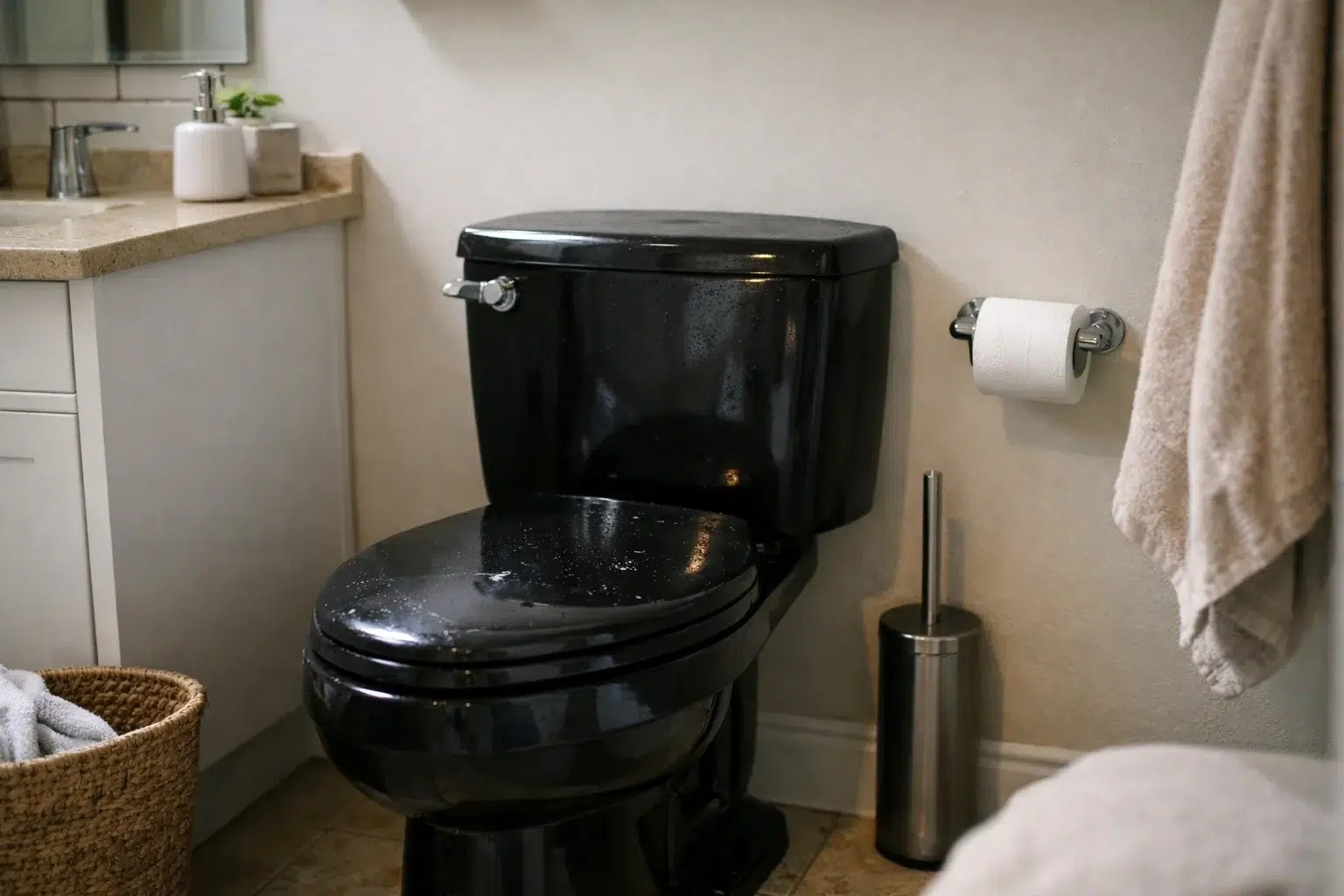
Black Toilets in Small Bathrooms: Why They Feel Heavier Than They Should
In a small bathroom, every surface works harder. There’s less space to absorb visual noise, fewer places for the eye to rest, and little margin for things that demand attention. This is where black toilets tend to feel heavier than expected. Not because they’re impractical, and not because they’re unsanitary in a hygienic sense —…
Room Divider Ideas for Small and Flexible Spaces
Not every space needs a permanent wall. This guide explores room divider ideas that create visual separation without sacrificing flexibility—plus when dividers make things worse.
Are Black Toilets Actually Unsanitary — or Just Harder to Live With?
Black toilets aren’t unhygienic by default — but they can quietly increase visual stress, maintenance effort, and mental load in everyday bathrooms.